Top Chiropractors in the East Valley

Spinal Decompression Therapy in Mesa & Gilbert, AZ

Non-Surgical Spinal Decompression for Back & Neck Pain

Back and neck pain can sometimes be associated with problems involving the spinal discs, joints, or nearby nerves.

For certain patients, non-surgical spinal decompression therapy may be a conservative treatment option.

At The Well Chiropractic Clinic, we evaluate patients experiencing back and neck pain to determine whether spinal decompression therapy may be appropriate for their individual condition.

Spinal decompression is commonly considered for certain patients with conditions such as herniated discs, bulging discs, degenerative disc changes, sciatica, and radiating arm or leg pain.

ChatGPT Image Aug 24, 2026, 04_17_55 PM

What Is Spinal Decompression Therapy?

Non-surgical spinal decompression is a type of mechanically assisted traction therapy designed to gently stretch and unload specific areas of the spine.

During treatment, a computerized or mechanical system applies controlled traction to the spine.

Depending on the treatment area, the goal may be to:

  • Reduce mechanical stress on the spine
  • Improve movement around affected spinal segments
  • Temporarily reduce pressure within the disc
  • Help relieve certain symptoms associated with disc or nerve irritation
  • Provide a comfortable, non-surgical treatment option for appropriate patients

Spinal decompression is different from simply hanging upside down or using an inversion table. Professional decompression systems are designed to apply controlled traction based on the area being treated and the patient's individual needs.

How Does Spinal Decompression Work?

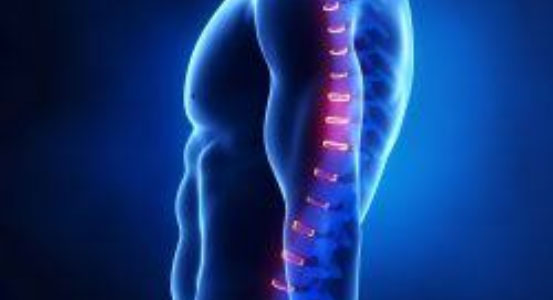
Your spinal discs sit between the bones of your spine and help absorb forces during movement.

A disc can become injured or degenerate over time. In some cases, disc material may bulge or herniate and contribute to irritation of nearby structures, including spinal nerves.

During spinal decompression therapy, controlled traction is used to gently distract or separate the spinal segments being treated.

This may temporarily change the mechanical forces acting on the disc and surrounding structures.

For some patients, reducing these forces may help decrease symptoms and improve tolerance for movement.

The response to decompression varies from patient to patient, and treatment cannot guarantee that a disc will heal or that surgery can always be avoided.

Conditions That May Be Treated With Spinal Decompression

After a thorough evaluation, spinal decompression may be considered for certain patients experiencing:

Herniated Discs

A herniated disc occurs when disc material extends beyond its normal boundary and may irritate nearby structures.

Depending on the severity and location of the problem, symptoms may include localized pain or pain that travels into an arm or leg.

Bulging Discs

A disc bulge may alter the shape of the disc and, in some cases, contribute to symptoms.

Not every disc bulge causes pain, and treatment should be based on your symptoms and clinical findings rather than an imaging report alone.

Sciatica

Sciatica generally refers to symptoms involving the sciatic nerve pathway, often causing pain that travels from the lower back or buttock into the leg.

Because several different conditions can cause leg pain, a proper diagnosis is important.

Degenerative Disc Changes

Age-related and degenerative changes can affect the spinal discs.

Some people experience pain or stiffness associated with these changes, while others have degenerative findings on imaging without symptoms.

Chronic Low Back Pain

Certain patients with persistent low back pain may be candidates for decompression therapy when other conservative approaches have not provided adequate improvement.

Neck Pain With Radiating Symptoms

In some cases, cervical traction or decompression may be considered for patients experiencing neck pain with symptoms extending into the shoulder or arm.

What Happens During a Spinal Decompression Treatment?

Spinal decompression treatment is generally performed while you are comfortably positioned on a specialized treatment table.

Depending on the area being treated:

  1. You are positioned comfortably on the table.
  2. A support system is used to help stabilize your body.
  3. Controlled traction is gradually applied to the targeted area of the spine.
  4. The amount and pattern of traction are adjusted based on your treatment plan and tolerance.
  5. Treatment typically involves a series of controlled traction and relaxation cycles.

Treatment should not be unnecessarily painful. Let your provider know immediately if you experience significant discomfort or worsening symptoms during treatment.

Is Spinal Decompression Painful?

Most patients describe spinal decompression as a gentle stretching or pulling sensation.

Some patients find the treatment relaxing.

However, everyone's condition is different.

If traction increases your pain or causes new symptoms, your treatment should be reassessed.

Our goal is to provide treatment that is appropriate for your condition and tolerance—not simply to apply more force.

How Many Spinal Decompression Treatments Will I Need?

The number of treatments depends on several factors, including:

  • Your diagnosis
  • The severity of your symptoms
  • How long you've had the problem
  • Whether symptoms travel into an arm or leg
  • Your overall health
  • Your response to treatment
  • Your goals

Some conditions improve relatively quickly, while chronic problems may require a longer period of conservative care.

Your progress should be monitored throughout treatment.

There is no single decompression treatment schedule that is appropriate for everyone.

Spinal Decompression as Part of a Complete Treatment Plan

Spinal decompression is often most useful as part of a broader treatment plan.

Depending on your condition, your care may also include:

  • Chiropractic adjustments
  • Joint mobilization
  • Therapeutic exercises
  • Core strengthening
  • Mobility exercises
  • Stretching
  • Soft-tissue therapy
  • Activity modification
  • Postural and ergonomic recommendations

The goal is not simply to perform a treatment on you. It's to help you improve your ability to move and function.

Is Spinal Decompression Right for Everyone?

No.

Spinal decompression therapy is not appropriate for every type of back or neck pain.

Certain medical conditions, injuries, or spinal problems may require a different approach.

Before recommending decompression therapy, we consider your:

  • Symptoms
  • Health history
  • Physical examination findings
  • Previous injuries
  • Imaging, when clinically appropriate
  • Response to other treatments

If decompression therapy isn't appropriate, we'll discuss other options and recommend additional evaluation or referral when necessary.

follow appropriate medical guidance. We typically recommend getting evaluated just to make sure everything is working as it should.

However, if you develop pain, stiffness, headaches, reduced movement, numbness, tingling, weakness, or other symptoms, an evaluation may be appropriate.

A healthcare professional can help determine whether further evaluation or treatment is necessary.

When Should You Seek Immediate Medical Attention?

Back or neck pain accompanied by certain symptoms may require urgent medical evaluation.

Seek prompt medical attention for symptoms such as:

  • Significant or progressive weakness
  • Loss of bladder or bowel control
  • Numbness in the groin or saddle area
  • Severe trauma
  • Fever with significant back pain
  • Unexplained weight loss
  • Severe or rapidly worsening symptoms

These symptoms may indicate a condition that requires medical evaluation beyond chiropractic care.

Spinal Decompression Therapy in Mesa & Gilbert, AZ

If you're searching for spinal decompression therapy in Mesa, AZ or Gilbert, AZ, The Well Chiropractic Clinic can evaluate your condition and help determine whether non-surgical spinal decompression may be an appropriate treatment option.

We commonly evaluate patients experiencing:

  • Low back pain
  • Herniated discs
  • Bulging discs
  • Sciatica
  • Leg pain
  • Chronic back pain
  • Neck pain
  • Radiating arm pain

Every patient's condition is different.

The first step is determining what's causing your symptoms and whether spinal decompression is appropriate for you.

Frequently Asked Questions

What is non-surgical spinal decompression?

Non-surgical spinal decompression is a type of mechanically assisted traction therapy that applies controlled pulling forces to the spine. It may be used as a conservative treatment option for certain spinal and disc-related conditions.

Can spinal decompression fix a herniated disc?

Spinal decompression cannot guarantee that a herniated disc will heal or return to its previous appearance. Some patients may experience symptom improvement with conservative treatment, while others may require different treatment.

Does spinal decompression work for sciatica?

It may be helpful for certain patients, depending on what is causing their sciatic symptoms. Because leg pain can have multiple causes, an appropriate evaluation is important.

How long does a spinal decompression treatment take?

Treatment length varies depending on the system and treatment plan, but sessions commonly last approximately 15 to 30 minutes.

Is spinal decompression the same as an inversion table?

No. Inversion tables use gravity and body position to create traction. Professional spinal decompression systems use controlled mechanical traction designed around a specific treatment protocol.

Will I need surgery if decompression doesn't work?

Not necessarily. Many treatment options may be available depending on your diagnosis and symptoms. If conservative care does not provide sufficient improvement, additional medical evaluation may be appropriate.