

Why Choose Us
Our mission at The Well Chiropractic Clinic is to provide exceptional chiropractic care to our community.
We provide premium chiropractic care to help our patients reach their health goals, naturally while avoiding unnecessary medications and surgery. We aim to treat the underlying cause of your issues, not just the pain itself. We do this by using an evidence-based approach to chiropractic care so you know you’re getting the best care possible.
As a healthcare leader in our community, our clinic also strives to be philanthropic. Each year since our inception we have raised thousands of dollars for local charities through our generous patients, staff and doctors. We want to make a difference in you, in your health and in our community.
Chiropractic Services
We provide treatment plans designed to fit and address your
individual health needs

Spinal Manipulation
Spinal Manipulation, also called spinal manipulative therapy, combines moving joints in a precise manor to elicit an improvement in function. It's designed to relieve pressure on joints, reduce inflammation, and most importantly improve nerve function. It's often used to treat back, neck, shoulder, headaches and many other aliments. Our doctors are trained in a diversified manor, utilizing many techniques/approaches to get you the best relief possible.

Spinal Decompression
Spinal decompression is a non- surgical treatment intended to relieve pressure on compressed nerve roots around the spinal column and the intervertebral discs. Decompression of the spinal neural elements can be a key component in treating spinal radiculopathy, myelopathy and intervertebral disc problems.

Electrotherapy
Electrotherapy is the use of electrical energy as a natural treatment. This therapy is aiming to stimulate the musculoskeletal system to aid in treatment of many common ailments. Our office provides a wide variety of Electrotherapies, including EMS, Interferential, and therapeutic ultrasound.

Therapeutic Exercise
Therapeutic Exercise refers to a range of physical activities that helps restore and build physical strength, endurance, flexibility, balance, and stability. The goal is to returning an injured person to a pain-free, fully functioning state. Our office uses many tools to help us accomplish this including a state of the art A3 Vibration Plate, Theraband Resistance training, Medicine ball retraining and much more.

Digital X-Rays
To provide our valued patients with the best care possible, our office has a state of the art digital X-Ray unit on site to aid the doctors in properly diagnosing. Proper diagnosis of any spinal condition leads to proper treatment recommendations and better outcomes for our patients.

Joint Mobilization
Joint mobilization is very similar to spinal manipulation in its purpose to restore normal function of a joint. Our doctors not only provide spinal manipulations but also manipulations/mobilizations to extremity joints. Common ailments treated with mobilizations include frozen shoulder, carpal/tarsal tunnel and tennis/golfers elbow.
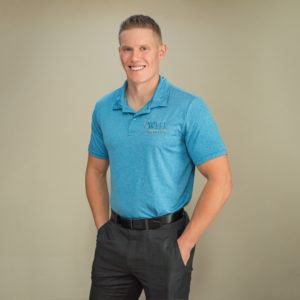
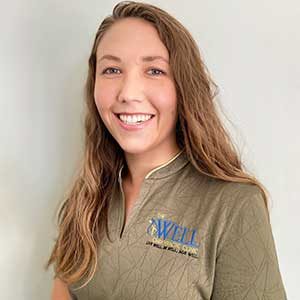
Meet Our Experts


How We Can Help
Have you ever wondered how chiropractic care can improve your
life? Here you can find answers to some of the most common
questions we get about chiropractic care by clicking on the
questions below!
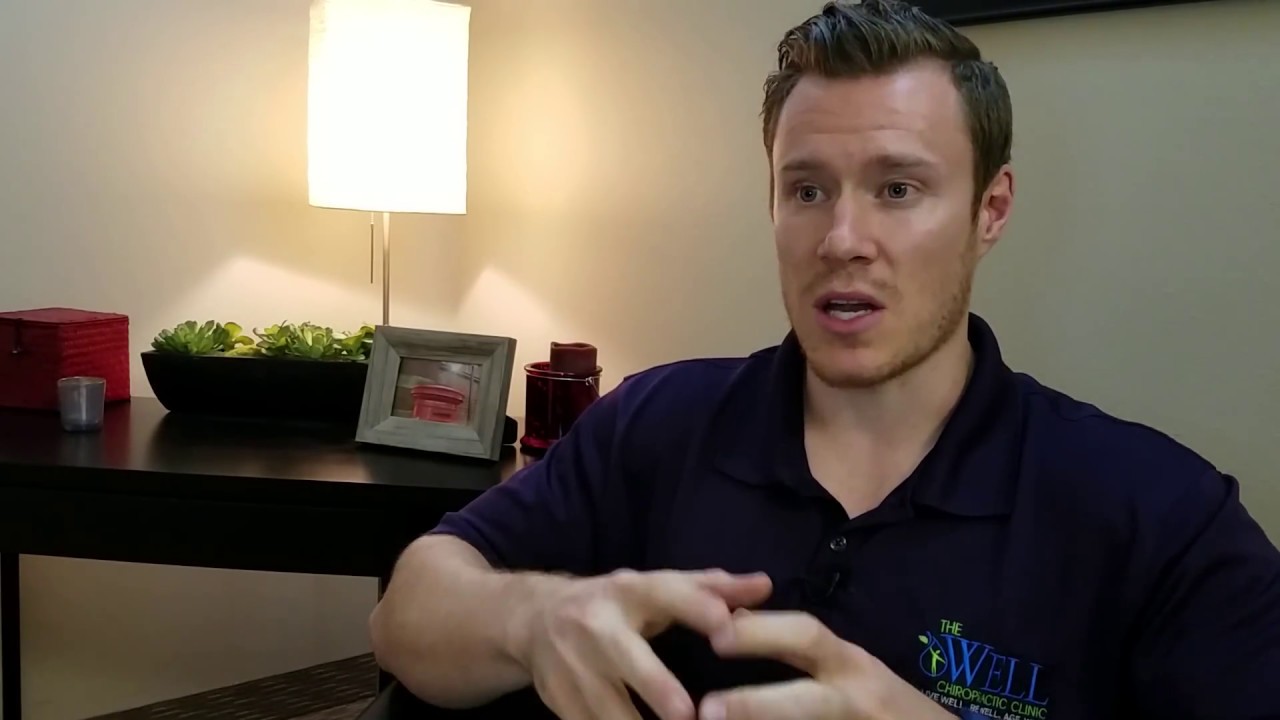
Dr. Garst’s Chiropractic Story
January 10, 2017
Chiropractic has impacted my life in so many ways! I have seen adjustments completely change peoples lives, alleviate pain, take people off medications, restore mobility, increase quality of life and so much more! Want toChiropractic has impacted my life in so many ways! I have seen adjustments completely change peoples lives, alleviate pain, take people off medications, restore mobility, increase quality of life and so much more! Want to know how/why I became a Doctor of Chiropractic? Check out my chiropractic story! know how/why I became a Doctor of Chiropractic? Check out my chiropractic story!

Let’s Be UpFRONT About Your BACK
Often times, chiropractic care can be slightly misunderstood. The truth is chiropractic care, along with other healthy lifestyle programs, promotes wellness, relieves suffering, and can help to restore optimal health swiftly and safely without drug or surgery, from infancy through adulthood. Here are some misconceptions about chiropractic care and their related truths.
“I went to a Chiropractor once, and he/she made things worse. I will never go back to one.”
While we do hear this from time-to-time, the truth is that you
Download Patient Intake Forms Here
Print, fill out, and bring with you!