
Does Decompression Therapy Actually Work for Low Back Pain?
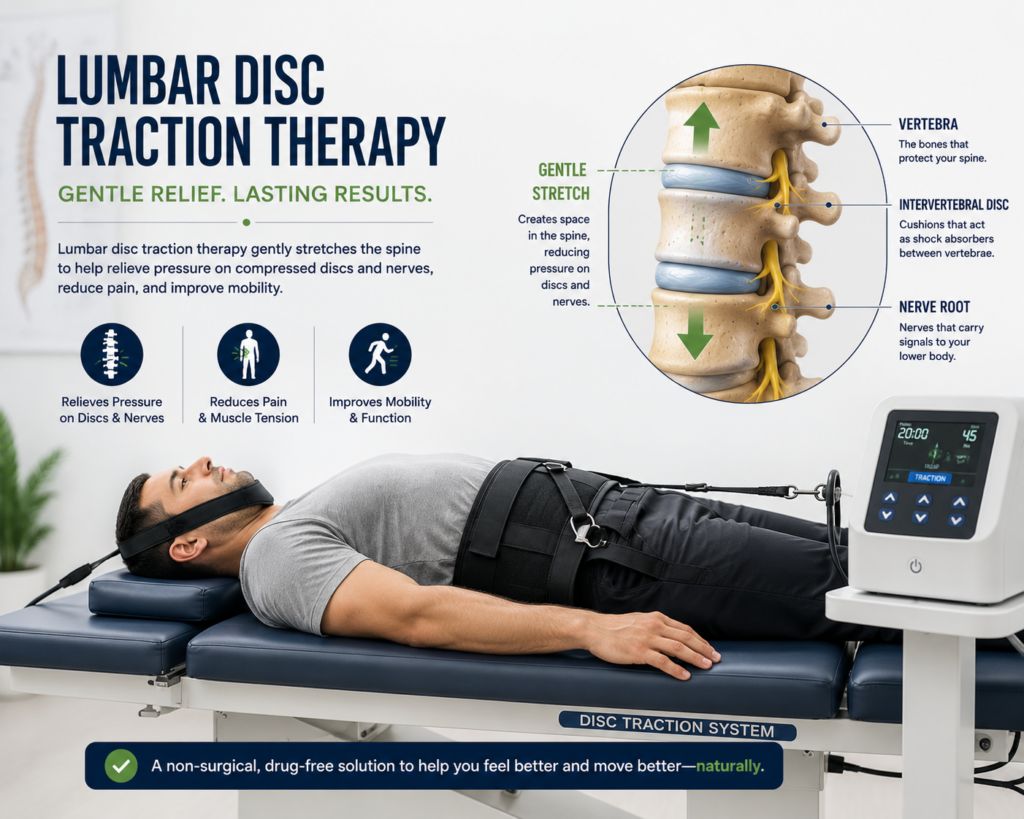
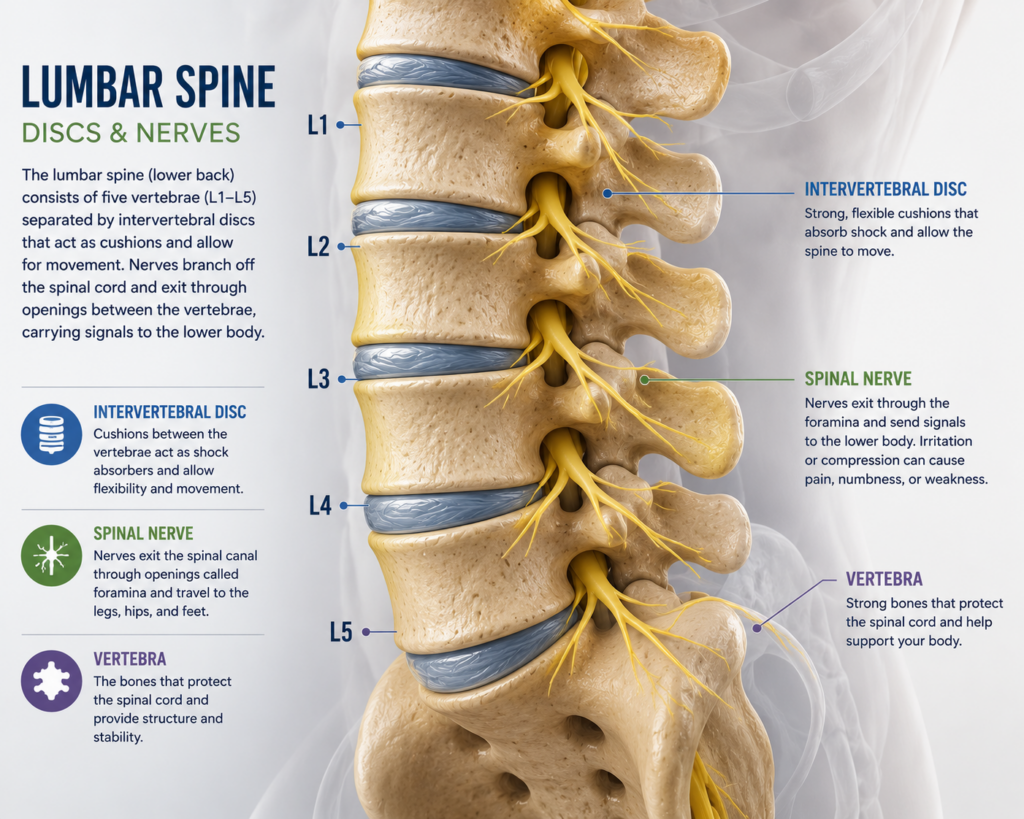
Have you ever wondered how spinal decompression therapy actually works? Is it just another therapy—or is there real science behind it? Today, we’re breaking down exactly what happens inside your spine during this therapy, and why it’s become a go-to option for people dealing with chronic back pain. Specifically, disc bulges and herniations. Let’s quickly understand the spine itself. Your spine is made up of vertebrae—small bones stacked on top of each other—with soft discs in between. These discs act like cushions, absorbing shock and allowing movement. Over time, due to aging, degeneration, daily usage, or injury these discs can become compressed. When that happens, they may bulge or herniate, putting pressure on nearby nerves. That’s when symptoms can occur such as pain, muscle spams, numbness, immobility, or tingling can occur.
WHAT IS SPINAL DECOMPRESSION THERAPY? Spinal decompression therapy is a non-surgical treatment designed to relieve pressure on the spine, specifically the discs. Decompression typically involves a specialized table that gently stretches and relaxes the spine in controlled cycles with the goal of creating space between the vertebrae. But here’s where it gets interesting—the real science lies in what happens during that stretching process. First we are going to talk about NEGATIVE PRESSURE. When the spine is gently pulled apart, something called “negative intradiscal pressure” is created. In simple terms, this means a slight vacuum effect forms inside the spinal discs. This vacuum can help: Pull bulging or herniated disc material back into place, Reduce pressure on nerves, Encourage the flow of water, oxygen, and nutrients back into the discs. Think of it like rehydrating a sponge—it helps the disc regain some of its natural function and structure. Another key benefit is nerve relief. When compressed discs press on nerves, it can cause pain that radiates to other parts of the body—like sciatica down the leg. By relieving that pressure, spinal decompression may reduce inflammation and allow the affected nerves to recover. At the same time, improved circulation in the area supports the body’s natural healing processes. Clinical studies have shown that spinal decompression therapy can be effective for certain conditions, including: Herniated or bulging discs, Degenerative disc disease, Sciatica, Chronic lower back pain. However, it’s not a one-size-fits-all solution. Results vary depending on the individual and the severity of the condition.
IS IT SAFE? For most people, spinal decompression therapy is considered safe when performed by a trained professional. But it may not be suitable for everyone—especially those with fractures, advanced osteoporosis, or certain spinal conditions. That’s why proper evaluation is essential before starting treatment. So, is spinal decompression therapy backed by science? Yes—its effectiveness comes down to biomechanics, pressure changes within the discs, and the body’s ability to heal when given the right conditions. If you’re dealing with chronic back pain, it might be worth exploring—but always consult a qualified healthcare provider first.
The Well Chiropractic Clinic- North Mesa: 480-582-3739 South Mesa: 480-656-1233 Gilbert: 480-400-4508